Firecooked!
Firecooked!

Main Dish Salads


I love salads, and have big ones for lunch 3 or 4 days a week.  I don’t try to be Goldilocks, but have a few ideas about what a proper big salad should be:

  1. It needs to fill me up.  Even if I have been swimming. But I don’t want to be chewing on it all afternoon.
  2. The texture needs to be just right.
  3. They need to be tasty.

For me, a combination of protein, carbs and fat is best for filling me up.  So I include a high protein food, like some left-over chicken, grilled fish, or hard boiled eggs.   If I don’t happen to have any of those around, I might open a can of beans or fish (like salmon or sardines), or just add some nuts or cheese.   Beans do double duty as carbs.  I also like boiled potatoes or leftover brown rice.  But most often I just have some whole grain crackers (like Rye Crisp or Akwana) on the side.  My dressing always has some olive oil in it.  Nuts or cheese also do double duty to add some fatty filling goodness.  I also really, really like avocados in my salad.  This is the real reason I spent so much time in San Diego – a variety of avocados all year long, that have been properly handled so they get ripe before they rot!

The vegetables (and a sharp knife) are key to get a nice balance of crisp, crunchy, tender, and soft.  Hard raw vegetables, like carrots, and radishes give crunch – but should be thinly sliced so they are not too chewy.   I like cucumbers quartered, and in thick slices, so they don’t clump together. Some vegetables really need to be cooked before going into a salad, like broccoli, cauliflower, or beets. It’s a great way to use up dibs and dabs of things.    And lettuce should be in fork size pieces.   Soft (and creamy) can come from beans, potatoes, avocados, or cheese.. but not too much, otherwise you get glop.

I want something that punches up the flavor:  a few olives, or feta cheese.  A nice bit of roast chicken.  A bunch of great tomatoes. Some herbs.  Anchovies.  Left over cubes of roasted sweet potatoes.    Salads are a great way to use up leftovers, but don’t include everything that might be lurking in the fridge.  One or two proteins, one or two flavor punches, not more than 4 or 5 veggies.    Last, make sure it’s properly dressed.  Lately I have been guilty of just using lemon juice (generally a 1/3 to ½ a lemon), some olive oil, plus salt and pepper added directly to the salad.  When I don’t have lemons, I’ll make vinaigrette or occasional change of pace, a creamy dressing.   I have started not putting salt into the dressing – instead, just sprinkling a little salt on the lettuce just before dressing.  You can more easily tailor how much to use (not much salt is needed if you have feta cheese or anther salty ingredient).  And I think you get more salt flavor from less salt this way.   I also like my salads tossed so even with a little dressing, every bite is coated.  Then Goldilocks likes to put it on a plate and not just eat it from the bowl. 


Chocolate Milk


I’m not a vegetarian, but I find myself going days at a time without eating meat (except maybe some bacon in my beans). Sometimes I wonder if I get enough protein, especially with the studies that say athletes need extra protein. (I finally am comfortable with calling myself an artist… I wonder when I will be comfortable with an “athlete” label.) 

Protein requirements are typically given as “grams per kilogram body weight”, something completely non-intuitive to me (like how much bacon is this?). I think it’s much easier to understand a % of total calories. The protein requirement per the FDA (after the math of grams and calories and body weight* ) is about 10% of calories from protein. But there are lots of studies**  that say for more active people, like athletes and kids, more protein is needed, closer to 15 or 20% of calories. But food labels don’t conveniently label anything but the total grams of protein (1 gram of protein is 4 calories). NOTE: I’m not a doctor or dietitian, if you are not eating nearly enough calories to maintain your body weight or have other special diet needs, this might not apply. 

My (simple) system is to think of foods as low protein (less than 10% of calories are from protein), adequate protein (10-20%), and high protein. I’ve done some math to provide some examples as a frame of reference:

High protein:

Meat and Eggs: No surprise, meat is high in protein. Most meats and whole eggs are around 40% (+/-5%) protein calories. This would be lean sirloin steak, pork chops, or chicken with skin. 

But prime cut steaks (like a nice rib eye) are likely only getting 25 – 30% of calories from protein. Bacon is 25% protein. Since meat has lots of calories, you are getting lots of protein.

Protein as a percentage gets higher when you start stripping fat from meat – skinless chicken breast is about 80% protein calories, egg whites are over 90%.  

Dairy varies quite a bit depending on how much fat, but lowfat (1%) milk is 30%, cheddar cheese is 25% protein calories.

Beans fall into the high protein group: they typically get 20 – 25% of their calories from protein, they have lots of carbs instead of fat to go with the protein.

Some vegetables even fall into the high protein group: Broccoli is about 30%, yes, calorie for calorie, you might be getting more protein from the broccoli than steak (but its tough to eat 500 calories of broccoli). 50% of the calories in mushrooms come from protein. Lettuce is also over 30%.

Adequate (10-20%) protein:

Most “starches” like pasta, oats, bread, quinoa are in the 15 – 20% range. Rice and potatoes are around 10%, maybe a bit lower. Nuts fall into this group, ranging from walnuts at 9% to almonds at 14% to peanuts at 19%.

Low protein foods (<10%):

Most fruit comes in at under 5%. Many vegetables (carrots, squash) are in the 5-10% range.

No protein foods: (0%).

Sugar and Fat. So anything that contains lots sugar and/or fat will be low protein. For example, if you add large fries and a coke to your Quarter Pounder (which is about 25% protein), the meal comes to just 11% protein. Not enough protein for the athletes (who are really the only ones that afford the 1300 calorie meal).

If you are eating a variety of whole foods, you probably don’t need to worry much about getting enough protein, even if you are not eating meat, even if you are exercising. In fact, my guess is that in the US, too much protein a bigger problem than not enough. Too much protein is hard on the kidneys and liver, and contributes to osteoporosis and kidney stones. If you eat meat every day and/or use protein supplements, I would recommend counting your protein consumption for a day or two. There are several web-based and iPad/Phone app’s available to do this, I have used MyFitnessPal but not convinced it’s the best. I have heard of a couple of others I am planning to try out (stay tuned for a future post).

Congratulations if you have made it this far! As your reward, I will share my latest favorite-after-running snack… Lots more protein than just a banana!

Chocolate Milk
1 Serving

½ a large banana, or 1 small, best if it’s been in the refrigerator
1 spoonful peanut butter or almond butter (about 1/2 a tablespoon)
1 big spoonful of cocoa powder (1 1/2 tablespoons)
8 ounces unsweetened soy milk (or other milk of choice)

Cut banana up into small pieces into a cup suitable for use with immersion blender. Add nut butter, cocoa, and milk. Blend until smooth with immersion blender.

224 Calories, 20% protein

---------------------------------------------------
Notes: 

** See the Wikipedia post, http://en.wikipedia.org/wiki/Protein_(nutrient) for lots more detail. 

* If you want to do the math, here are the recommendations: 

1 gram of protein is 4 calories

Sedentary person: 0.8 g/kg per kg body weight
Endurance athletes: 1.2–1.4 g per kg body weight
Strength-training athletes 1.4–1.8 g per kg body weight

Balancing your Diet:

Most of us know that calories come from 3 sources: Carbohydrates, Fats, and Protein. In most diet stories, Carbs and Fat are made to be villains and Protein the hero. There is a fourth calorie source, and that’s alcohol… conveniently ignored in most “diets”. Vitamins get some supporting role; it’s usually just a Pill. Yes, some diet stories are now starting to include some new hero’s, like Flavonoids and Phytonutrients and Omega-3 Fatty Acids, but these stories are complicated and often incomplete. How do you tell the good guys from the bad?

The good Carbs, Fats, and Proteins are most commonly found in whole foods. Villains are foods unnaturally stripped from their source and processed beyond recognition. For example, Corn on the cob is good, High Fructose Corn Syrup is bad along with its brother, Corn Oil. Arch villains are chemicals masquerading as food, like Cheetos.

But back to the main characters: how much of each? This is what works for me:

15 – 18% of calories from protein
30 – 35% from fat
<5% from alcohol
The remainder (~50%) from carbs

Over the next couple of weeks, I will tell good stories about protein, fat, and carbs. Meanwhile, here is a balanced way to start the day:


Loaded Oatmeal

This takes me about 20 minutes to fix in the morning: I start the liquid to boil, then get out the apple, dice it, then get out everything else. But I have had lots of practice; I make it once or twice a week.

Serves 2 generously

1 cup unsweetened soy milk (or other milk of choice)
1 cup water
1 small apple, cored and diced
1 cup Multi-Grain Oatmeal (such as Trader Joes) or rolled oats
Small pinch of salt
1 teaspoon cinnamon
2 tablespoons raisins (or dates, or dry cranberries)
2 heaping tablespoons slivered almonds (or any chopped nut)

Put the soy milk and water into a medium pot over medium high heat. Then dice the apple, add to the pot as soon as diced. When the pot comes to a boil, add the oats, stirring well. Turn down the heat to medium, you still want good bubbling action. Add the rest of the ingredients. Stir occasionally. When the moisture is absorbed and its starting to stick, its done. Served with additional milk.

17% protein, 35% fat, 48% carbs
1 serving (with ½ cup of soy milk) is 416 calories

How to not follow a recipe


I’m notorious for not following recipes.  Even my own.   I can’t help but mess with things, even perfectly good things. Sometimes it works, others not.  I roasted a chicken last week... It was small and I was late getting it into the oven. So I figured why follow the recipe I posted a week or two ago?  I'll just cook on 400 convection for the whole time!  Needless to say, in 50 minutes I had an overcooked chicken.  But still, I’m always on the lookout for an easier way to do something, or figure out how to make something with what I happen to have on hand.  A good example is a beet salad I made for lunch a couple of Sunday’s ago.  

But first, let me digress.  I got a great book for Christmas, called Ideas in Food: Great Recipes and Why They Work.  It teaches you how to use all the cool toys in your kitchen, as well as chemistry behind certain foods and additives.  One of the cool ideas was to use your vacuum sealer for blanching vegetables.  The traditional method to blanch vegetables is to bring a large volume of salted water to boil, briefly cook (say 3-5 minutes for green beans), then remove the vegetable and put in an ice water bath.  Big pot + colander + big bowl = big mess.  Their idea is to put the vegetable in a vacuum bag, boil (using a pot that is just big enough) in bag, cool in ice bath.  The pot and bowl don’t really even get dirty, they just have water in them.  This hit me as a great way to cook beets for a salad, as the typical roasting process is messy and time consuming:  trim and scrub them, wrap in foil, roast in the oven for 45 minutes to an hour, cool, then peel and get beet juice everywhere.  They are quite tasty, but it takes a couple of hours.  I have tried peeling, quartering, and steaming in the microwave, but this makes a pink foam that escapes from the covered dish and gets all over.  You can also boil the beets, but it seems that you lose all the red goodness… especially if you drain and use an ice bath to quickly chill to use in a salad.     So… I quartered some small beets, lightly salted, put into a vacuum bag in a single layer, boiled in a covered pot just big enough to hold them for about 20 minutes, pulled out, ran under some cold water (since I was using right away I skipped the ice bath).  Beets ready to go into a salad in under a ½ hour!  And if you didn’t want to use them right away, not problem, they will keep for a few days sealed in the bag in the refrigerator!


So, back to the main story: How to Not Follow a Recipe.   I have a perfectly good recipe for beet salad, adopted from a recipe from a White House chef.  But it called for roasting the beets, plus fresh herbs I didn’t have, and feta cheese that I didn’t have.  And raw onions, which always seem to sharp in a salad.  First were the processes changes:  boil-in-bag beets (huge time saver) and the onions got a brief ice water soak to take out some of the bite.  I changed up the ingredients too:  used just lemon juice (I have lots of lemons) instead of lemon juice and vinegar.  If I didn’t have lemons, I would have used just the white wine vinegar.  I used the herbs that I happened to have on hand:  fresh mint, skipped the the parsley and cilantro (I would recommend having at least the mint or cilantro, they both have a strong flavor).  I did use the dried oregano it called for (one of the few dry herbs I keep around), but thyme or Italian seasoning would would too, and the cumin, a spice that pairs well with beets, but something I don't normally think of.   I used Romaine lettuce instead of spinach (its what I had on hand, pretty much any green would work), and goat cheese instead of feta (again, its what I had…  and pretty much my go-to cheeses for any salad are goat or feta). And I changed the ratio of beets to greens to make a main dish salad instead of a side salad.  The result?  A pretty good Sunday lunch.  Had I stuck to the recipe, I wouldn’t  have done it.  Was it as good?  Maybe not quite, but certainly better than just another PB&J sandwich!  


Main Dish Beet Salad

Serves 2.  

½ pound beets (any kind), peeled and cut into bite size pieces
½ red onion thinly sliced
3 tablespoons extra virgin olive oil
3 tablespoon fresh lemon juice or white wine vinegar
1 small clove garlic, minced
1 tablespoon (each) chopped mint and / or cilantro leaves
1 teaspoon dried oregano, thyme, or Italian seasoning (or 1 T fresh)
1 teaspoon ground cumin
¼ cup kalamata black olives
Salt and freshly ground black pepper
4 cups romaine or spinach, shredded
1/3 cup crumbled goat or feta cheese

1. Bring a medium pot of water to boil.  Lightly salt the beets.  Place in a single layer in vacuum bag and seal.  Place in boiling water (the bag will puff up), cover the pot if you want.  Turn bag over after 10 minutes or so.  After 20 minutes, the beets should be cooked. 
2. Remove the beets from the pot, and run under cold water.  If desired, put into ice bath.
3. While the beets are cooking, put the onion in a small bowl with a few ice cube and fill with cool water.  
4. Mix oil, vinegar or lemon juice, garlic, herbs, and cumin into a large bowl and stir together.  Drain the onions and add to the bowl along with olives and beets.  Toss.  Add the greens and toss again. 
5. To serve, divide the beet salad onto 2 plates and sprinkle the servings with equal amounts of goat or feta cheese.

1 Chicken, 15 meals

Last week I was cruising though Trader Joes, kinda feeling I been eating beans and / or cheese for a week (I’m not complaining, but seemed time for something different).  I spotted a chicken and though ummm… roasted chicken.  It good sized, about 5 lbs, not huge by today’s standards, but a lot of meat for 2 people (I’m not cooking chicken for Ethan. Yet). I got it, roasted it: 


And here are all the meals that resulted from this 1 bird: 

2 dinners (Roasted chicken with quinoa, and steamed broccoli)
3 chicken sandwiches 
3 servings of chicken and quinoa salad (my brother got one of these)
3 main-dish green salads with chicken
Plus, made broth from the carcass resulting in 4 servings of mushroom risotto (2 servings for dinner, one reheated leftover serving, and one mushroom risotto and goat cheese burrito)

Overall, not a bad variety of good food (especially for lunches), without much of a plan or too much time cooking (well, with the exception of the risotto), and no leftovers for the trash. Or the dog.    

Roasting a chicken is universally proclaimed as being simple, but don’t confuse this with one right way to do it. I have cookbooks which range from cooking a chicken at 170F (3 hours) to Barbara Kafta’s method using a 500F oven (50 minutes).   Some truss, some don’t, some use racks, breast up, breast down, etc, etc.  In my mind, there is only one thing that is important:  knowing when the chicken is done.   Personally I find the extremes risky – you will get a smoky kitchen with a higher temperature, and at 170F, it just seems you are in the "danger zone" of bacteria growth for too long, especially for the typical supermarket chicken. Remember: the higher the temperature, the smaller the window between done and overcooked.  Here is what works for me... and if I need to get the chicken done sooner, I leave the oven hotter... .

Roast Chicken

1 whole chicken
Salt, pepper
Olive oil

Optional extras (choose 1):
-- Garlic and / or sage
-- Citrus and garlic
-- Spice rub 

Preheat the oven to 400F

All of the latest advice says you don’t need to wash your chicken.  Take it out of the package, and put into a 9 x 13 roasting pan.  However, if it is icy inside, rinse with nice warm water.  Make sure they giblets are pulled out (freeze to make stock later). Pull off any big chunks of fat around the breast. 

If you would like a little extra flavor, put some thinly sliced garlic and sage between the skin and the meat of the chicken.  Or, mix together some citrus zest (from a lemon or orange) and minced garlic, salt and pepper then make a paste with olive oil and rub on the outside bird.  Or sprinkle with your favorite rub or spice mix.  Put any leftover garlic, herbs, or slices of citrus in the cavity.   In any case, sprinkle with salt and pepper, then rub a bit of olive oil on the bird.   

I fold the wings back, and don’t bother to truss.  I start the bird breast down – this helps the thighs brown better.  I pop in the oven, and cook for 20 or 30 minutes.  Turn the oven down to 350, and flip the bird.  Continue cooking until done, it’s typically about 15 minutes per pound at this temperature. Use convection if you have it – it will cook faster. If you need to get the bird to the table faster, just turn the oven down to 375F or go longer at 400F.   The meat should be pulling from the ends of the legs, and a thermometer stuck in the thigh joint should read 160F (or close to it).  Note:  the USDA considers the safe temperature for poultry to be 165F.  Let the bird rest for 5 or 10 minutes – the temperature will come up, and the juices will stay in the bird better.  Carve and serve. 

My favorite of the leftovers was the quinoa salad.  It’s based on my vegetable rice salad adjusted to what happened to be on hand.  I didn’t measure anything, but here is a general idea of what went into it:

Quinoa Salad

1 cup+ of leftover quinoa
½ cup of leftover chickpeas with kale (loosely based on this recipe)
Handful of leftover chicken, diced
1 big floret of leftover lightly steamed broccoli, chopped small
1 carrot, minced
2 green onions, sliced
1 small Persian cucumber, chopped
Juice from a large lemon
Glug of olive oil
Salt, Pepper

All into a bowl and mixed.  Served on a bed of greens (arugula) and topped with goat cheese crumbles.

Sometime soon I will get my master recipe for a main dish salad posted..  It’s what I eat for lunch about 3 times a week.   The risotto was good too, but a bit on the time consuming side, especially when I realized I didn’t actually have any risotto rice.  Fortunately there is a well-stocked Safeway a mile away, and a wonderful husband to make a quick run out. 

But it seems now I have been eating chicken for a week…  Last night we had shrimp stir fry, and tonight, back to cheese (in the form of Macaroni and Cheese).


Planning. Kind of.


It’s the beginning of the year, full of all sorts of resolutions to lose weight and eat better. And plenty of advice.  One common theme is planning your meals, which generally start “once a week, make a plan, shop with a list, blah, blah, blah.”  This worked great for my family when I was a kid.  We lived 30 miles from a real grocery store.  There were no farmers markets. Our weekly schedule was pretty routine (not to say I had a boring childhood).   Also when I was a kid, we didn’t have 20 or 30 places between work or school (or sports) begging you with big neon lights to stop and get something tasty to eat.  No McDonalds. No Olive Garden. No Starbucks. 

But this doesn’t work for me now: shopping at the local at the farmers market (plus 2 or 3 other stores to get what I want) plus travel schedules that aren’t predictable. A big lunch out and you’re not hungry or you swam 2500 meters and you’re starving. Not to mention an aversion to actually sitting down and making a plan!   

But that doesn’t mean you give into the neon lights.  You can eat better and cheaper at home AND tailor it to what is happening that day.  It takes a little work, yes, but possible.  Here is what works for me: 

1. Plan to not plan: Keep a reasonably stocked pantry. This does not mean be prepared for the big one.  It means keeping some dry grains and pasta on hand. Onions and garlic.  Eggs.  Meat products in the freezer (small portions, vacuum packed).  A few cans of beans and tuna. Some bread or tortillas. A chunk of cheese or two.   From this (and a few fresh vegetables) there are an infinite number of possibilities. 

2. Plan your day:   I don’t try to envision Thursday’s dinner on Sunday, but to try to think of dinner by lunch time on Thursday. Plan parts of the day: When I worked in an office, I took my lunch (and this was resulted in the first 5 pounds I lost). It means knowing some 5 minute options when you get home hungry at 7pm. On Saturday, don’t leave the house at 11am to run 3 hours of errands without eating lunch first.   

3. Keep everyone involved.  There are 3 parts to meals at home: shopping, cooking, cleaning.   Share the tasks. If at lunch you decide roast chicken would be great for dinner, also decide who it’s most convenient for to stop at the market and pick one up. (As a side note, I have learned large pieces of meat languish in my freezer, as I seem incapable of remembering 2 days ahead to let thaw).  I’m convinced the toughest part of “cooking for one” isn’t cooking.  It’s having to shop plus clean in addition to cooking. 

4. Get a routine.  I like to make pizza, and it’s a great way to use up bits and pieces of cheese, or an odd vegetable.   But I need to get blob (my starter) out first thing in the morning.  So we are in the habit of having pizza on Friday.  Back in my Intel days, we used to have fish or steaks on Fridays… It was the one day I didn’t have meetings with Asia (at 5pm), so I would stop at AJ’s (local upscale grocery) and buy something that looked good to throw on the grill, plus maybe a vegetable if I didn’t have anything left from the previous weekend.  Yeah, and a bottle of wine. 

5. Plan for leftovers. One trick to getting meals on the table quickly it to start with food that was already cooked.  Grilled chicken and leftover rice (plus cheese and a tomato or cabbage and hot sauce) can become a burrito.  Flake leftover fish, add some chopped onions, celery, dill add a bit of olive oil and a squeeze of lemon juice for a sandwich.  Use leftover pasta to make a frittata.  It can mean popping what you had a night or two ago into the microwave.  Learn what you like leftover, learn what you can freeze.  And learn what you don’t:   I can’t explain why, but we don’t like leftover stir fry.  I won’t reheat fish.  Steamed or sautéed broccoli gets nasty.   Soup and stews are about the best thing to reheat. Many are even better the next day.  Here is one of my recent favorites… it reheats well, and it freezes well (I put one serving in a 1 quart Ziploc baggie, press out the air and freeze.  To cook, I thaw a bit under hot water – at least enough to break it up, even better to leave in hot water for 10 minutes or so until thawed, put in the serving bowl and nuke until hot). 


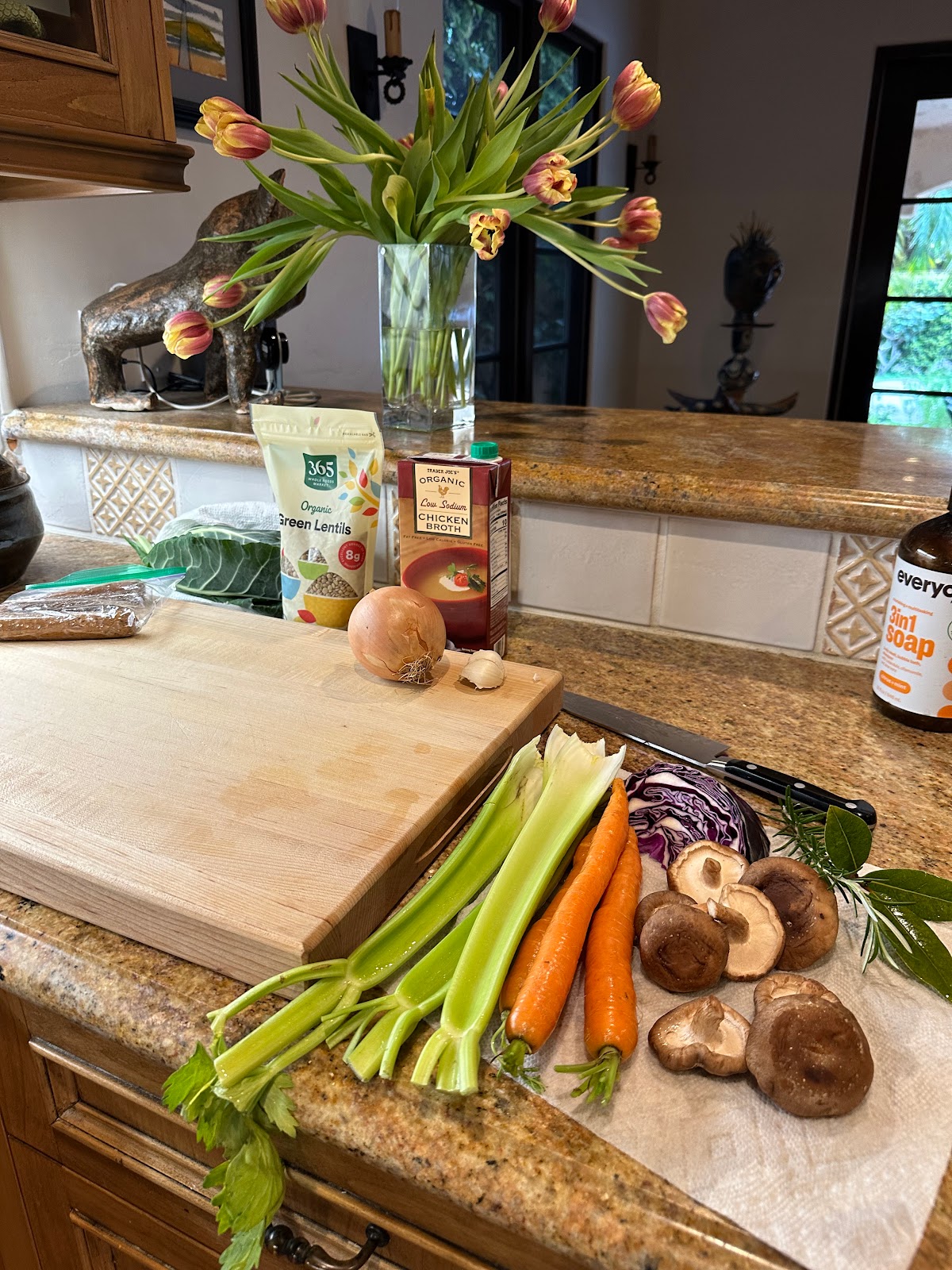
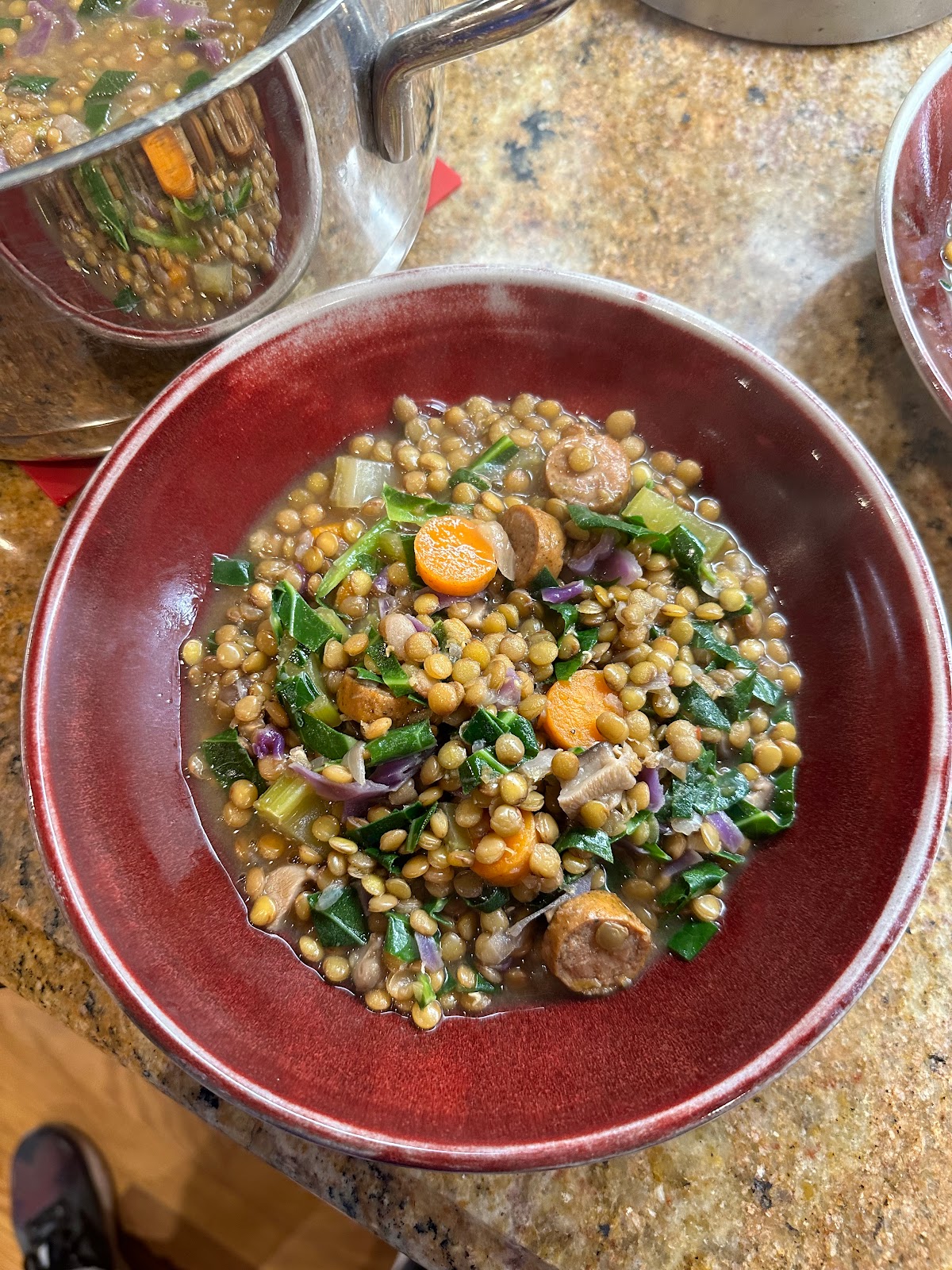
Vegetable Bean Stew (with or without Sausage)
Make it soup by using more water or broth. 

1 lb beans (any kind).  Or lentils.
1-2 tablespoons olive oil.  
1-2 slices of bacon (optional, good if you don’t use sausage)
1 large onion, chopped
1 or 2 carrots, sliced (optional)
1 or 2 celery stalks, sliced.  If you have them. 
2 cloves of garlic
Pinch of red pepper flakes.  Or Chipotle flakes. Or more. Or Fresh chiles.
1 quart chicken broth (optional)

1 small butternut squash, peeled, seeded, cubed
1 package of cooked chicken sausage, sliced (optional)

1 bunch of greens (kale, mustard, chard), stalks removed, chopped (or baby spinach)

Herbs, lemon juice, salt, pepper, hot sauce to taste.

Rinse the beans in a colander, then put into a large pot and cover (by a couple of inches) with water.  They should soak at least 6 hours, but not more than 10 or so.  If you need to soak faster, bring the water to a boil then turn off the heat and let sit for an hour.  Drain and rinse the beans. Note: lentils don’t need to be soaked. 

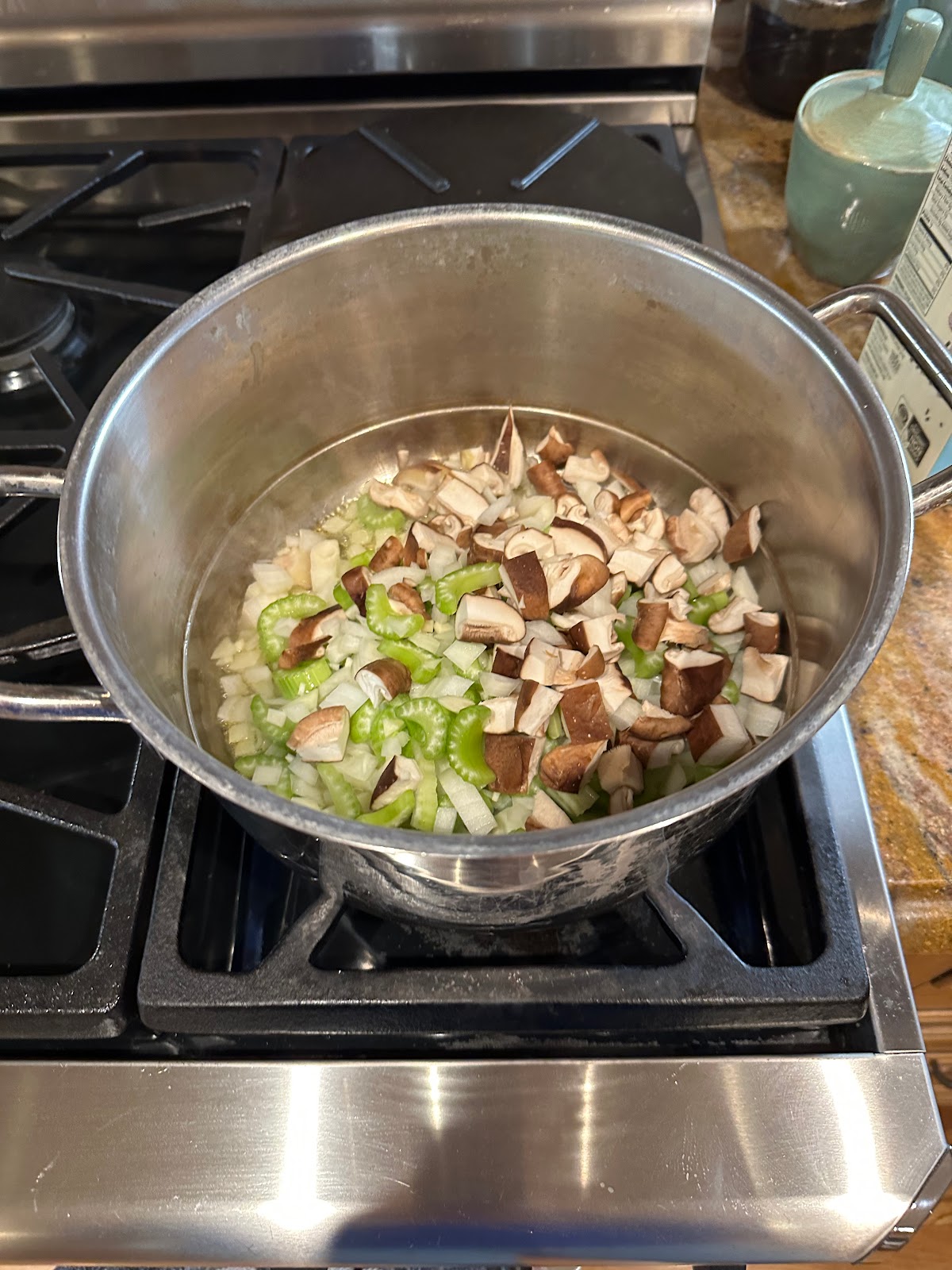
In the same large pot, heat the oil.  Sauté the bacon if using.  Add onion, carrots, celery, garlic, chili.  When onions are translucent (5 minutes or so), add beans, broth, and another cup or 2 of water.  Or just use all water (5-6 cups).  Beans should be covered by a ½ inch or so.   Cook for 1 – 1 1/2 hours, or until just barely cooked (they should still have a little bite, but not crunch).  Lentils only need 20-30  minutes.  Add the squash and sausage. Add more water if it’s too thick.  If you don’t use sausage, add a good ½ teaspoon of salt.  Cook for another 20 minutes or so until the squash is done.   Add chopped greens.  Kale or mustard greens need to cook 5 to 10 minutes; baby spinach is done as soon as you have stirred it in.    Taste – add salt, maybe a squirt of lemon juice, herbs, some pepper, maybe some hot sauce as desired.    Sometimes I will serve with a dollop of yogurt (especially if meat-less), or some cheese.

When life gives you lemons, make salad


Sorry to leave my faithful readers (both of you) hanging for the continuation of the side salad saga: Creations from Citrus. Our lemon tree is full (again) of nicely ripe lemons, so lemons are used pretty liberally right now at my house. It would be a huge adjustment for me to have to cook without having a tree to pluck lemons whenever I need. Almost as bad as not having an herb garden. 

I have published some of my citrus-based side salads before, like Mediterranean Couscous Salad, Vegetable Rice Salad, Greek Salad, and Corn and Bean Salad. Interesting tidbit: lemon juice based dressings are common in Middle Eastern food, because they historically don’t drink alcohol… so no wine, no vinegar, no vinaigrette based dressings.

In general, the dressings are 4 parts olive oil to 3 parts lemon (or lime) juice plus herbs. Personally, I like lemons and the acid bite, so I typically do more like a 1:1 ratio. And if you are using Meyer lemons, I would reverse the ratio, 3:4 (more lemon juice) because they just are not as sour.  Lemons pair wonderfully with many different herbs (basil, parsley, thyme, dill, oregano, mint) and will keep them from turning brown. 

Beet salads just have a spectacular color, especially if you use red beets. It is a bit of a pain to cook them, I try to do ahead if I’m baking something else, just refrigerate after they have cooled, and they will hold for a day or so. 

Beet and Orange Salad

Serves 4

1 pound gold and/or red beets
2 oranges
2 tablespoons fresh lemon juice
½ a small red onion (or sweet white onion) thinly sliced
2 tablespoons extra virgin olive oil
2-4 tablespoons chopped herbs, such as mint, dill, parley, or basil
Salt, Pepper
1 oz goat cheese

Cook the beets: Scrub and trim the beets. Halve if large. Put in a shallow glass baking dish, add a ½ inch of water and a drizzle of olive oil. Cover and cook for about 45 minutes in a 400F oven or until they are tender. Drain. When they are cool enough to handle, peel. (note – you can also peel them first then roast).

Prepare the oranges (start when the beets come out of the oven): Zest one of the oranges, put zest into bowl large enough to make the salad. Section the oranges by first cutting the peel off the top and bottom, then down the sides to expose the sections. With a small knife, cut out each section and put into the bowl. Catch the juice in the same bowl, and when the sections are out, squeeze any remaining juice from the membranes into the bowl. Add the lemon juice and onion slices plus a bit of salt to the oranges and let sit for 10 minutes.

Add the beets, olive oil, herbs and freshly ground pepper; stir to combine. Taste and add more salt or lemon juice if needed. Serve with goat cheese crumbles on top.

Have a happy and safe 4th of July!

Salad Days

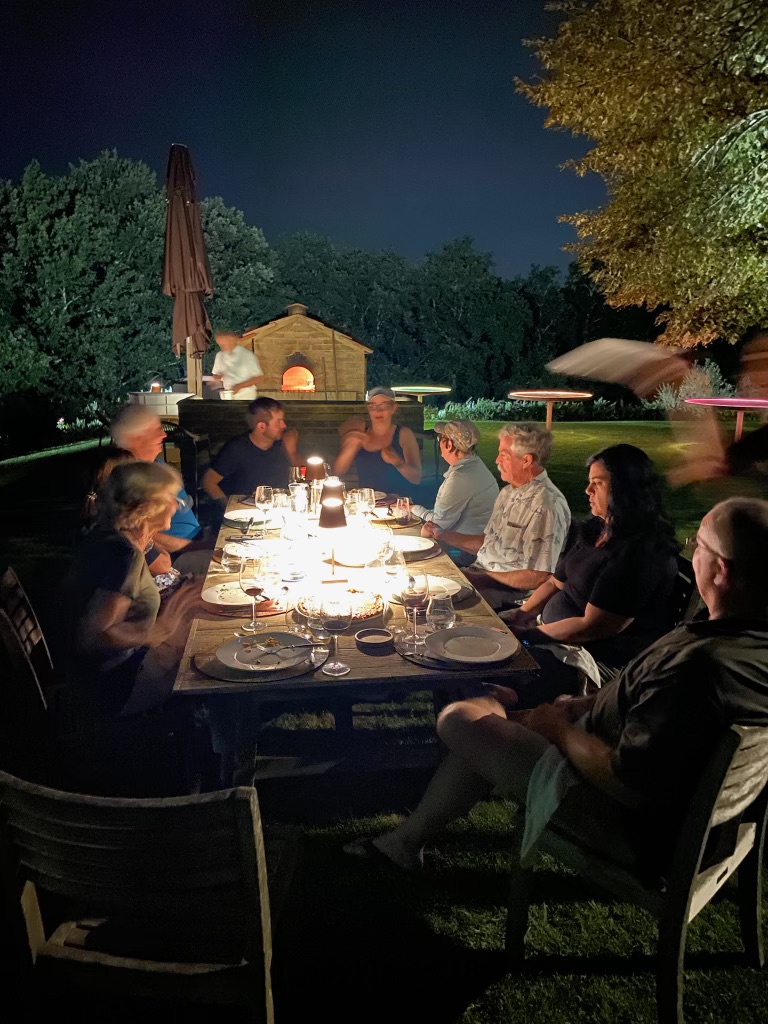
Picnic dinner at the Coronado concert in the park. Yummy thanks to @Firecooked
The phrase was coined in Shakespeare's Antony and Cleopatra in 1606. In the speech at the end of Act One in which Cleopatra is regretting her youthful dalliances with Julius Caesar she says: "...My salad days, / When I was green in judgment, cold in blood… “ (thank you Wikipedia).

I had to look this up, because I always though it referred to days of being young and poor. Which never made sense, because I really never associated salads with being poor. But well, I was wrong. Which can be even more dangerous than not knowing.

Anyway, salad days at my house started Memorial Day weekend. I eat salads all year, but generally a main dish type salad for lunch (which is a topic for another day). I am talking about side salads: Potato salad, chicken salad, green bean salad, bean and corn salad, couscous salad… those kind of salads. Salads that are convenient to take to the park for a concert on the lawn. Or the beach should the sun come out.

I also realized that I pretty much just use 3 different dressings for these kind salads: creamy dressing, lemon (or other citrus) & olive oil, or vinegar & olive oil. Various herbs or spices added as desired.

Creamy dressing is just a variant on mayonnaise. If I were the type to make homemade mayonnaise, I would just use that.  But raw eggs still scare me... and even if I'm OK with them, I'm not comfortable about serving them to guests.  So this is what I use:  A small spoonful of mayonnaise, a big spoonful of plain (preferably 2% Greek) yogurt, and a forkful of Dijon mustard. Maybe add some pepper. Mix together with the mustard fork. That’s it. How much depends on how much you need. Doing 1 egg salad sandwich, it will be a small spoon. Doing potato salad for a crowd? BIG spoon.

So a couple of notes on the yogurt. For the yogurt haters out there, you won’t know it’s there. At least nobody has mentioned that my potato salad tastes different than mom’s, and I use at least half yogurt, she uses all mayonnaise. However, one problem with using “normal” (not Greek) yogurt, is that you can get some water separating off. It’s ok at first, but in a day its really noticeable. This is not a problem with Greek yogurt, or plain yogurt that you have strained some water off of by putting in a strainer lined with a coffee filter or double thickness cheese cloth (which is how Greek yogurt is made). And last, the ratio between mayonnaise and yogurt is not that critical. If you are watching calories and/or sodium, use more yogurt. If you not sure about the whole yogurt thing, start with more mayonnaise (and gradually increase the yorgurt…)

Chicken Salad

This works with left-over roasted chicken (or turkey), or with chicken breasts simmered in chicken broth. I usually use grapes in the summer and apples in the winter (leave the skins on the apples) -- red apples look nicest.

About 4 servings

2 cups cooked chicken (2 - 3 half breasts)
1 cup seedless grapes or 1 - 2 apples, chopped
1/2 cup walnuts
2 ribs celery, sliced (optional)
1-2 green onions, thinly sliced

½ cup Greek yogurt
2 tablespoons mayonnaise
1/2 teaspoon Dijon mustard
salt (to taste -- 1/4 to 1/2 teaspoon)
pepper (to taste -- not too much)

Shred or cube chicken. Mix in fruits and vegetables. Mix remaining ingredients in small bowl. Pour dressing over chicken mixture, stir to combine. Serve chilled.

Potato Salad Like Moms

Serves 8 normal people, or 6 Normans.

8 medium potatoes, ~3 pounds (I like red potatoes for this, russets will work too)
5 hard-boiled eggs
½ onion, minced
Salt, Pepper

7 ounces Greek yogurt (1 container)
¼ cup mayonnaise
1 teaspoon Dijon mustard

Parsley, paprika as garnish

Boil the potatoes whole, with the skins on. Cook until just tender, which will be 15 – 25 minutes after they come to a boil. Remove from the water, and let cool. Peel the potatoes. If they are thin skinned, ok to not peel completely.

Make the dressing and set aside. Peel the eggs, set aside the prettiest one.

Make the salad in layers: Slice 2 potatoes into a large bowl, add one chopped hard-boiled egg, sprinkle with some onion, a little salt, and some pepper. Repeat until all of the potatoes are used.

Add part of the dressing. Stir to mix. Add a bit more, until its right (this will vary depending on what kind of potatoes, how warm they are, and how much dressing you like… Mom does not like too much dressing!)

Gently smooth the top, and put slices from the last egg on top, along with some parsley and paprika to garnish.

You don’t know what you don’t know

This is an important lesson I learned from engineering project planning. You made plans based on what you knew, did risk assessments on things that might go wrong (based on past history), but the really bad problems were things that came out of the blue – things you didn’t know.

I was reminded of this lesson this week, during our session with Ethan’s personal trainer (also known as the treat lady). She figured out that Ethan is a bit territorial about the new rug in the front room (which after all, we did get for him as an alternative to scratching up the floor). And this leads to undesirable behavior when someone, even nice like the treat lady, walks near the rug. I got that he was territorial about the kitchen… but a rug?

One of the things that I don’t know (believe or not, there are a lot of things I don't know), and I don’t think is generally known (at least based on a few web searches), are levels of pesticides (and fungicides, herbicides, etc) in our dairy and meat products. Or for that matter, processed food. There is lots of publicity about pesticide levels in fruits and vegetables (the dirty dozen, the clean fifteen…), but is this the most important thing spend the extra money (and often time) to get organic?

Here is how I try to decide:
1. If organic is easily available, for a small premium (like 20%), just get the organic.
2. If you eat a lot of it, get organic
3. If there are other benefits (like less antibiotic resistant bacteria, or better-for-you fats) get organic.
4. Where the non-organic choice is GMO (i.e. corn, soy products)

I also just try to avoid produce that has been imported (since it typically has a higher level of pesticides/other chemicals), and don’t buy any food from China (organic or not – their food system is just too corrupt to trust), and farmed fish (with some exceptions for US-farmed trout). And skip “organic” salmon. This is another way to say “farmed” salmon. Go for wild. Also remember that “natural” on a package of food is a marketing term, not an indication of what’s in the package. As far as processed food (and that includes the food from restaurants): best bet is to keep minimize how much you are eating. Because even “organic” can be full of sugars, overly processed ingredients, and bad fats.

We eat a lot of apples and banana’s, they are easy to get organic, that’s easy. As far as vegetables, I try to get as much as possible at the farmers market, from suppliers that are organic or that don’t use pesticides. I get organic corn chips. We eat enough oats that people might think we have a horse, so it falls into the organic list – if I happen to be at Trader Joes. Otherwise, I get Quaker at Safeway. Trader Joes carries a lot of organic products at reasonable prices, and Safeway is getting better (even have organic chicken now).

I really try to get pastured and/or organic meat, dairy and eggs. The data on pesticide levels is scant. There is some data on beef (which shows pesticides detected in a fair number of samples… mostly in the fat). But there are lots of other benefits, like higher omega-6 fats and less saturated fat, less antibiotic residue, and less bacteria (especially the nasty antibiotic resistant strains). Plus, the chicken and beef factories are fed with (government subsidized) genetically modified corn and soy. Organic meat is hard to find and more expensive. Milk and eggs are easy, just expensive – but we eat a lot of yogurt. And I don’t necessary cook my eggs until they are well done. I think meat raised out of doors, in a pasture tastes better, and is better for you.

Right now, there seems to be an explosion of conditions like autism, fatigue syndrome, ADHD, gluten intolerance, some types of cancer, asthma, and other autoimmune diseases that scientists don’t know why are increasing. And we also don’t know what low levels of a bunch of different chemicals (some known to be highly toxic in high levels) are doing to our bodies.

So, I make the effort.

Roasted vegetables


Most of the time, I don’t use recipes. I have some basic techniques, some favorite combinations. It allows me to use what looks good at the farmers market. Or what Roy got last week at the farmers market and we need to eat before it goes bad. Plus it’s faster to cook when you make it up as you go along. How do you do this?

I figure there are only 5 ways to cook vegetables:
1. Sauté
2. Roast
3. Grill
4. Steam
5. Boil

I covered sautéing in March. Now on to roasting. I have to say that I have been roasting a lot of vegetables lately, as it takes the chill out of the kitchen. May is not warm in San Diego.. not cold enough to run heaters. It’s not like I live in Boulder. I’m not whining, anyway I know nobody feels sorry for me.  Like sautéing, you can cook pretty much any vegetable. With one or two exceptions, you do it the same way, the only variable is the time. 

Roasted Vegetables


Preheat oven 425F, convection if you have it. Get out a large sheet pan (or 2) and cover with parchment paper. Prepare the vegetables: Peel if needed, cut in equal size pieces. Put in a pile on the parchment paper. Pour on a tablespoon or so of olive oil, toss with your hands to get an even coating. Spread in a single layer, try to keep pieces from touching. Bake, tossing/turning every 10 minutes or so. When they are done, with nice brown spots, sprinkle on some salt, maybe a squeeze of lemon juice. Toss again, and eat.   And bonus, the sheet pan does not even need to be washed!


What vegetables? My favorite favorite way to eat cauliflower is roasted. Other options include asparagus, broccoli, beets, carrots, green beans, onions, potatoes (i.e. oven fries.. white or sweet) snap peas, summer squash, turnips winter squash.. you get the idea. The list of what you could not do this way is likely shorter. Not sure that you would want to cook spinach this way, but Kale is wonderful (like popcorn). (If you haven’t looked at the last post, please note that Kale is the oven temperature exception – only use 350F). 

The other variable is how big a piece of vegetable to use. Green beans, baby carrots, asparagus, snap peas should be left whole (trim ends as needed). Broccoli and cauliflower should be broken into florets, around 1 or 1 ½ inches. Beets I peel and generally do about a ½ inch dice. Potatoes (not peeled if thin skinned) are often cut into thick (1/3 of an inch) slices, or small ones are quartered. The only important thing is to get them about the same size. Smaller pieces will cook faster, timing is a little more critical.

So, how long? We know the smart ass answer is until they are done, but here are some guidelines: tender vegetables (asparagus, green beans, etc.), or vegetables in smaller pieces (beets) about 15 minutes total. Snap peas maybe even less. Cauliflower is about 25 minutes. Potatoes are maybe 35 minutes, maybe 45 if the pieces are big. Sweet potatoes cook faster.  Mileage will vary – convection ovens will be a little faster. Bigger pieces will take longer. I think that the amount of oil used makes a difference too (burn brown faster with less oil, cook faster with more oil). Just watch them, after a few times, you get the hang of it.

Add on’s:  If desired, spices or herbs can be used at either the start or the end. Chile powder and cumin mixed with the oil. Add some sliced onions, or garlic (which does tend to get on the burnt side if not frequently tossed…), red pepper flakes. Or some parm cheese grated over top when it’s done. Here’s a surefire to make you love broccoli (and I think a little crispy bacon could replace the ham power at the end, the bacon fat the duck fat if you don’t happen to have it laying around). But usually, I just use salt. And when I have them, lemon juice.

How much? For the 2 of us, one sheet pan full is usually enough.. guessing about a pound (yes, really). Sometimes I cook more, because roasted vegetables are great leftover and put into salads. Clean-up is so easy, I will cook them just for me. Sometimes I roast to put them into pasta (2 pans of vegetables to ½ pound of pasta is about right). This week I did a salad with barley and roasted beets, onions, red peppers, carrots, and walnuts. And a lemon-herb vinaigrette. It used up a random assortment of vegetables, and kept us well fed all week…

Blog Software